Nose types
Augmentation
Augmentation rhinoplasty is used when the goal is to fill in a lack of tissue. In severe cases it is called a “saddle nose”.
This can happen:
- After major nasal trauma, with septal haematoma and resorption.
- In boxers.
- Naturally, for genetic reasons.
- After previous surgery with an unsatisfactory result.
- For other reasons: drugs, diseases, etc.
The reconstruction depends on how severe the problem is. It can be done with:
- Cartilage taken from what remains of the patient's own septum.
- Cartilage from the patient's own ear.
- Rib cartilage (for more severe cases).
- Injectable substances (for example, methyl methacrylate) for minor, millimetric defects. This last procedure is called “non-surgical rhinoplasty”.
At the consultation we measure how much support is missing in the dorsum and tip, and whether there is associated deviation or breathing difficulty. That assessment determines whether a local graft is enough or a broader approach is needed.
The goal is to restore a continuous dorsal line and a stable tip, without exaggerating volume. In thin skin, graft details are planned carefully so they do not show over time.
Recovery is often slower than in reduction rhinoplasty: new volume takes time to settle and the contour refines months after surgery.
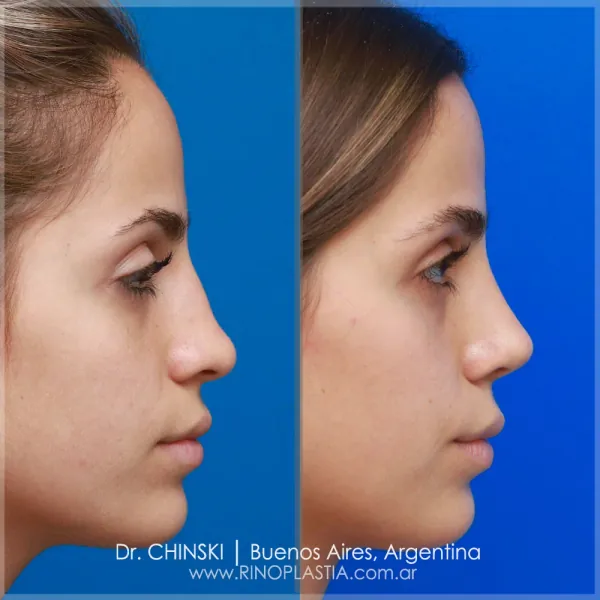
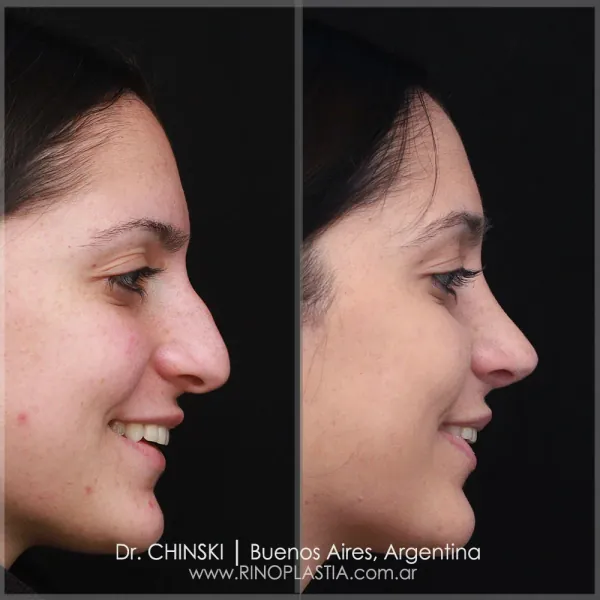
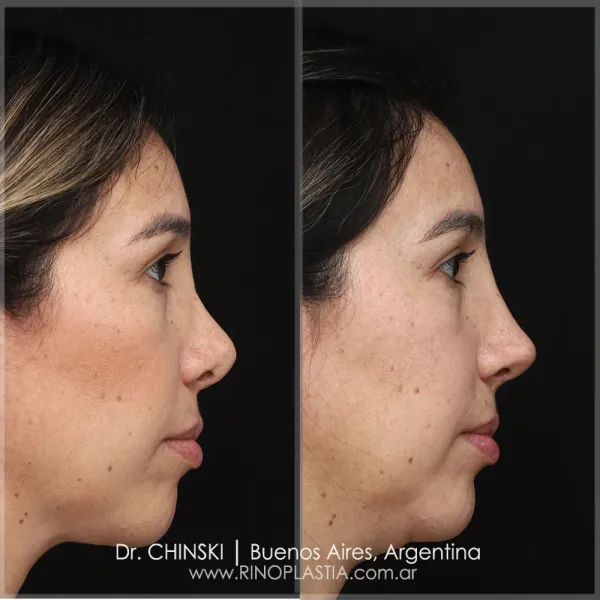
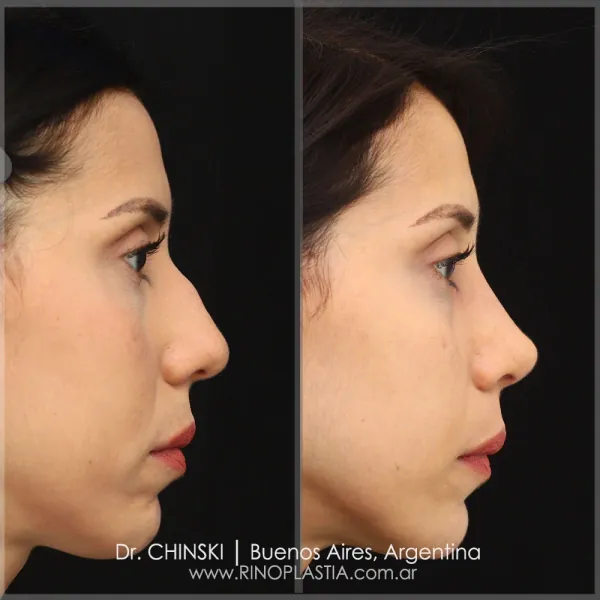
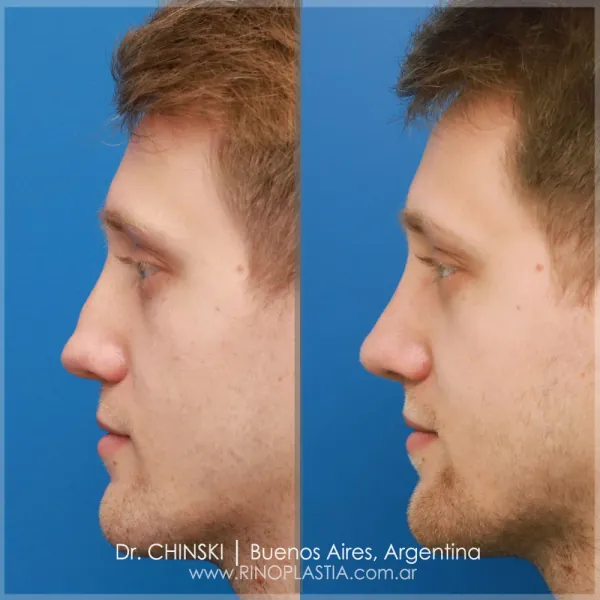
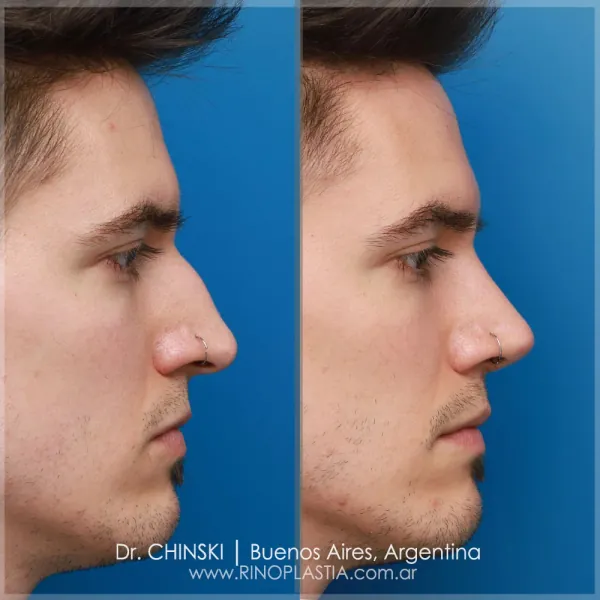
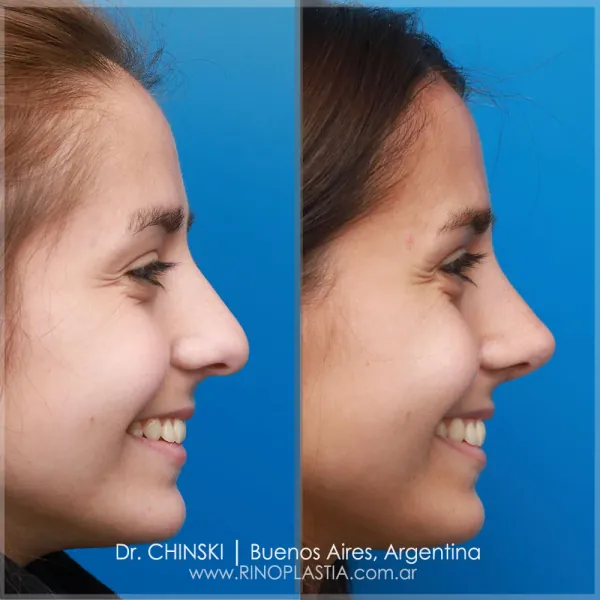
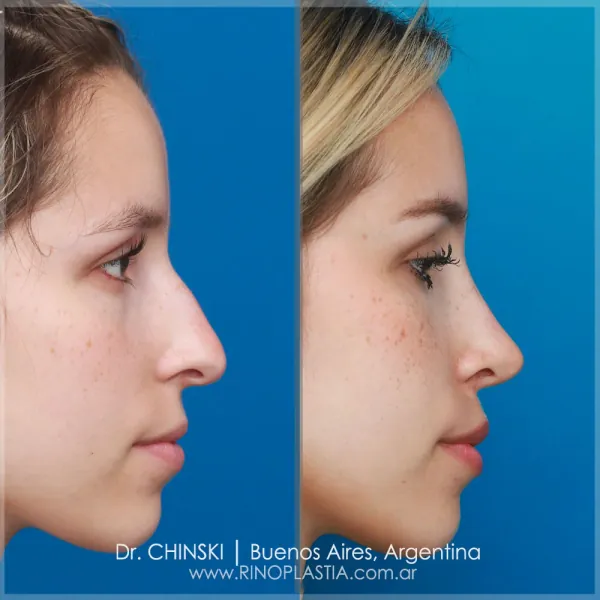
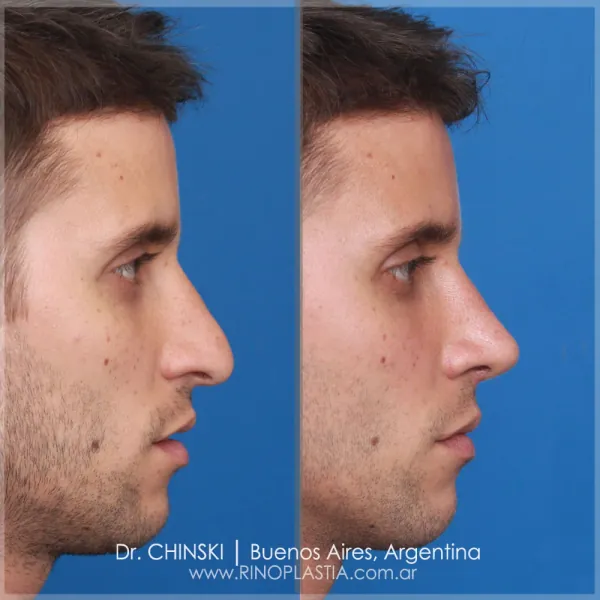
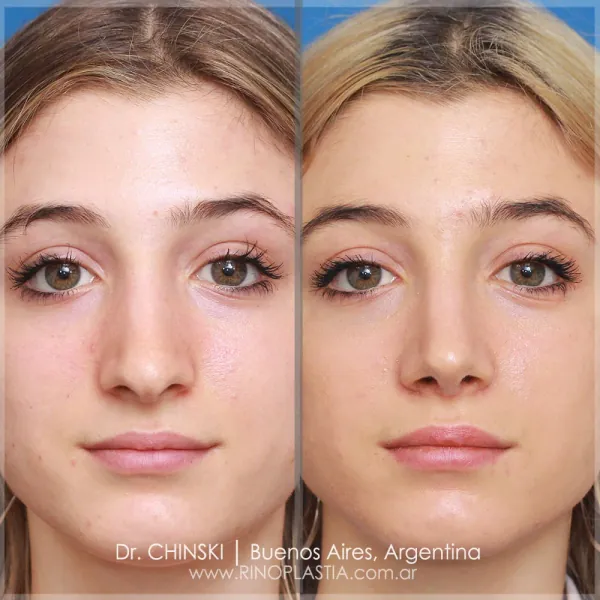
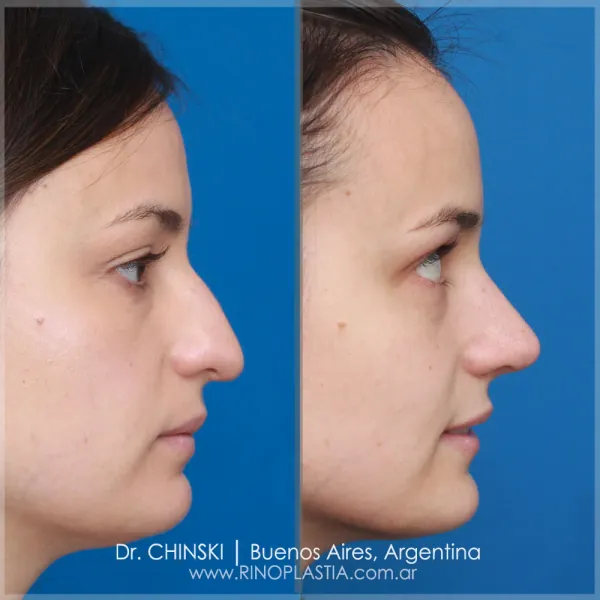
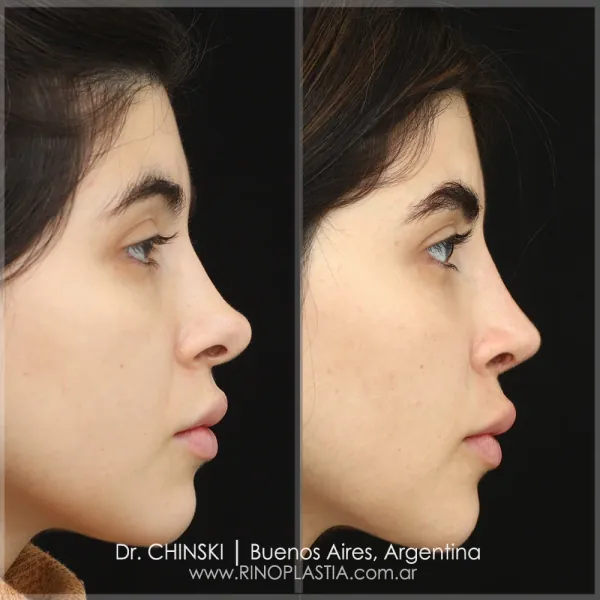
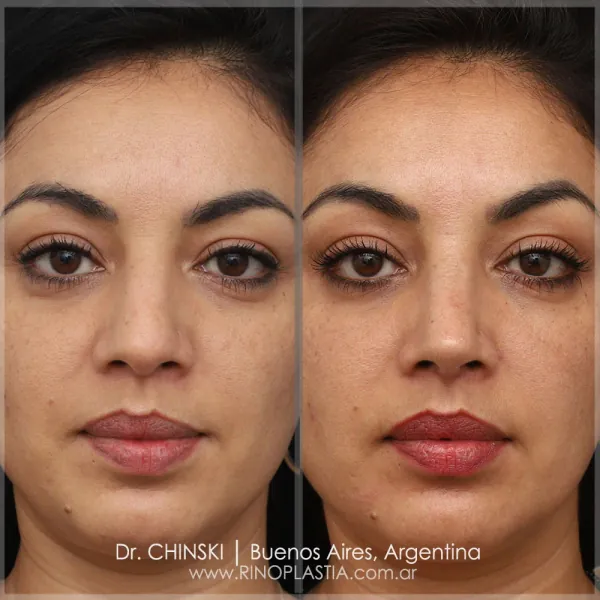
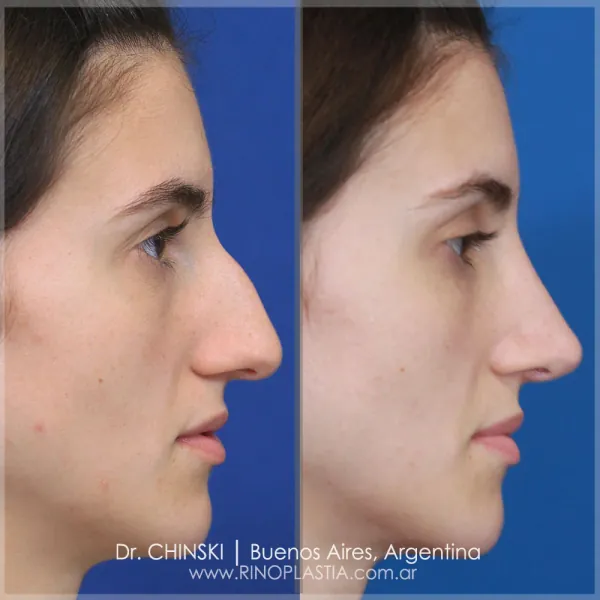
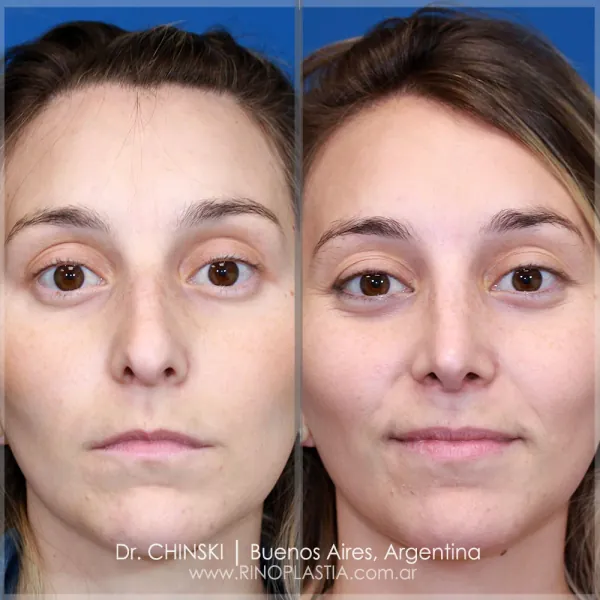
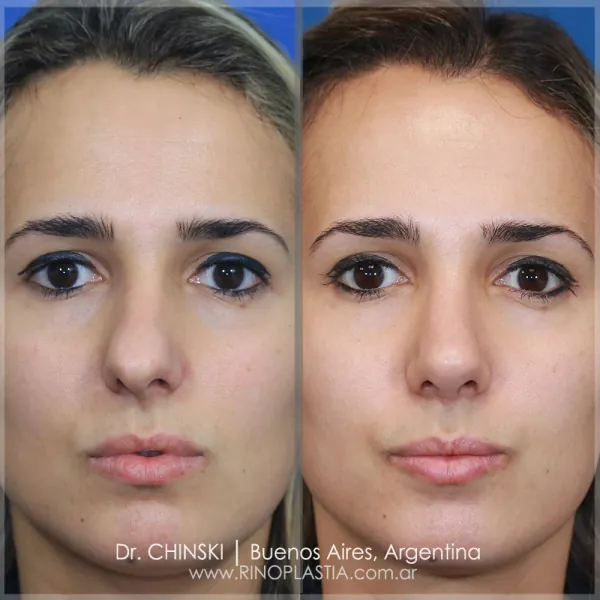
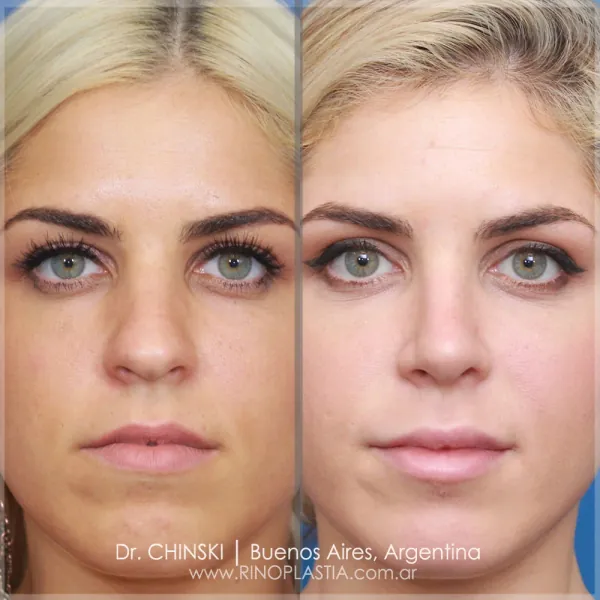
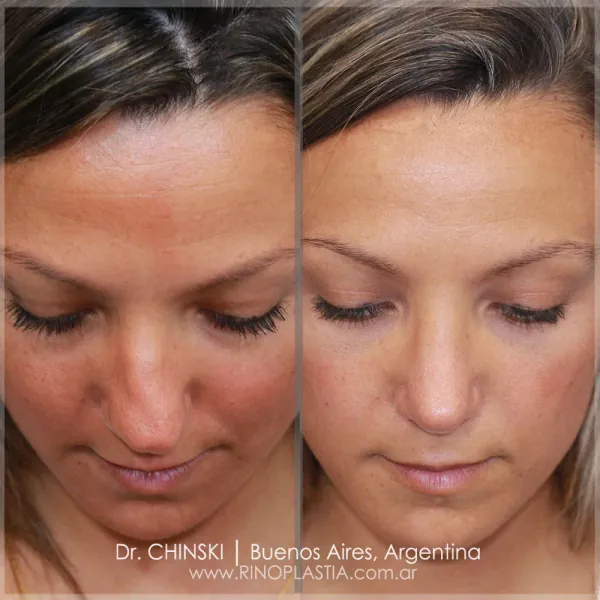
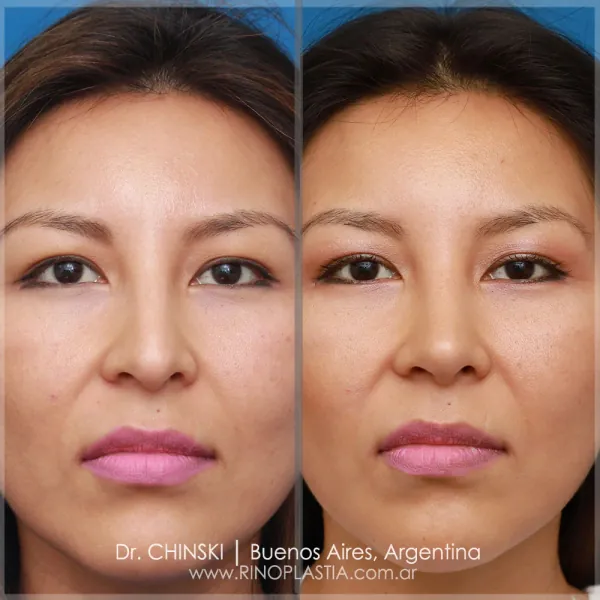
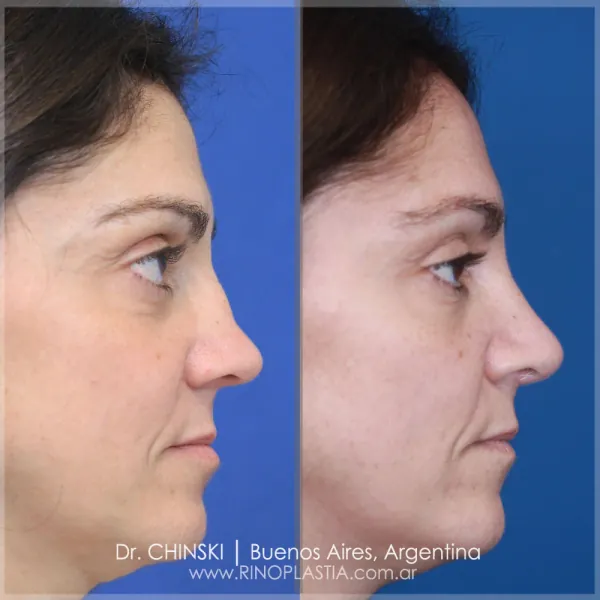
Before and after
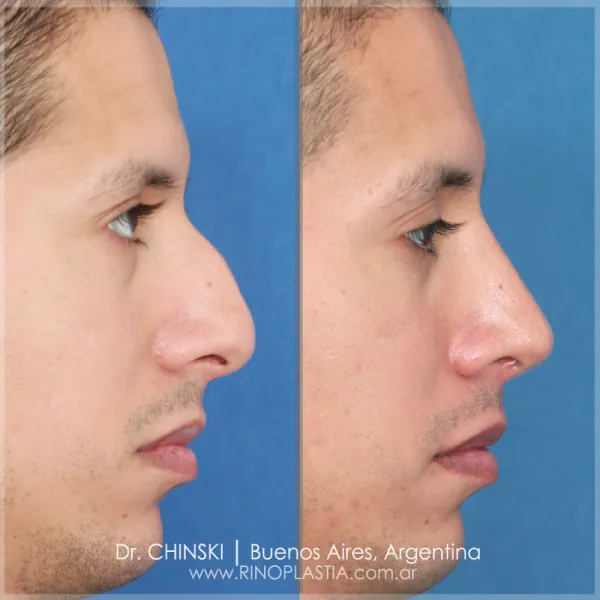
Rhinoplasty: dorsal hump, saddle nose, thin skin and secondary rhinoplasty – Case 46
Secondary rhinoplasty · Dorsal hump · Saddle nose
4 months after
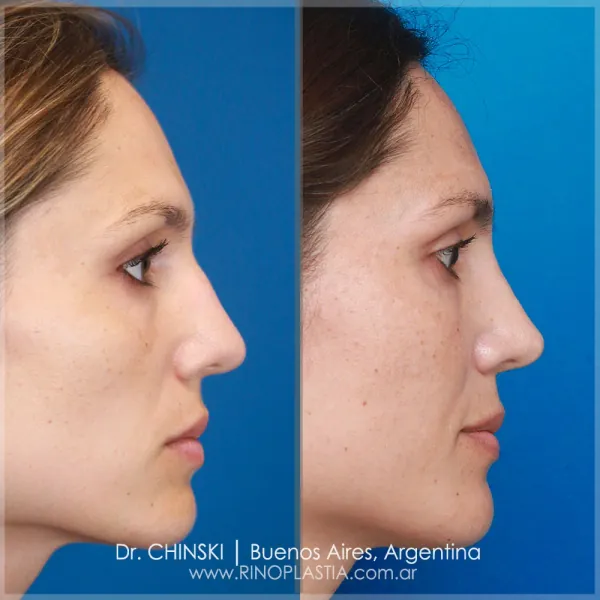
Rhinoplasty: dorsal hump, droopy tip, under-projected tip, wide or irregular dorsum, hanging columella and thin skin – Case 60
Primary rhinoplasty · Dorsal hump · Droopy tip
6 months after
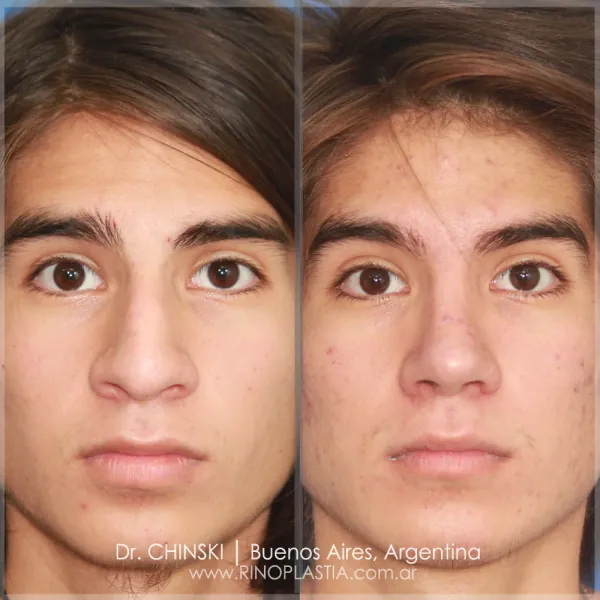
Rhinoplasty: undefined tip, saddle nose, thin skin, secondary rhinoplasty and alar base surgery – Case 69
Secondary rhinoplasty · Alar base surgery · Undefined tip
2 months after
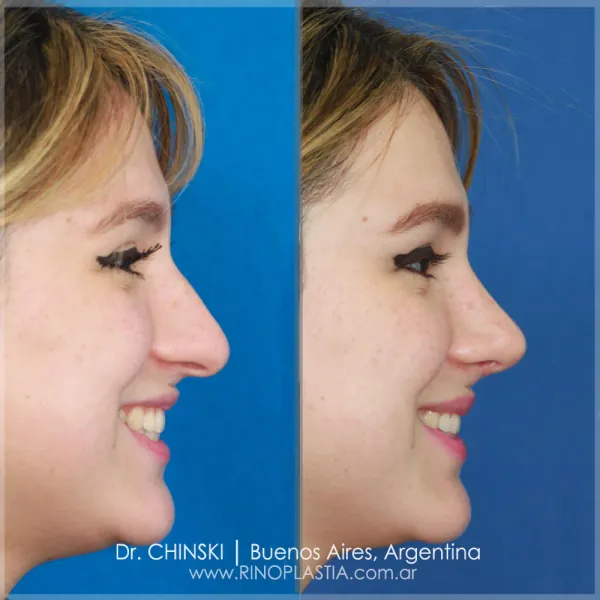
Rhinoplasty: dorsal hump, under-projected tip, wide or irregular dorsum and thin skin – Case 84
Primary rhinoplasty · Dorsal hump · Under-projected tip
2 months after
Rhinoplasty: saddle nose and secondary rhinoplasty – Case 87
Secondary rhinoplasty · Saddle nose
2 months after
Rhinoplasty: dorsal hump, under-projected tip and wide or irregular dorsum – Case 95
Primary rhinoplasty · Dorsal hump · Under-projected tip
4 months after
Rhinoplasty: dorsal hump, under-projected tip and wide or irregular dorsum – Case 96
Primary rhinoplasty · Dorsal hump · Under-projected tip
Rhinoplasty: dorsal hump, over-projected nose, under-projected tip and undefined tip – Case 99
Primary rhinoplasty · Dorsal hump · Over-projected nose
2 years after
Rhinoplasty: dorsal hump, droopy tip, under-projected tip and undefined tip – Case 100
Primary rhinoplasty · Dorsal hump · Droopy tip
2 months after
Rhinoplasty: dorsal hump, under-projected tip and hanging columella – Case 104
Primary rhinoplasty · Dorsal hump · Under-projected tip
2 months after
Rhinoplasty: dorsal hump, over-projected nose, droopy tip, under-projected tip and undefined tip – Case 115
Primary rhinoplasty · Dorsal hump · Over-projected nose
Rhinoplasty: saddle nose and secondary rhinoplasty – Case 116
Secondary rhinoplasty · Saddle nose
6 months after
Rhinoplasty: dorsal hump and under-projected tip – Case 126
Primary rhinoplasty · Dorsal hump · Under-projected tip
4 months after
Rhinoplasty: dorsal hump, over-projected nose, droopy tip, under-projected tip and thin skin – Case 135
Primary rhinoplasty · Dorsal hump · Over-projected nose
4 months after
Rhinoplasty: dorsal hump, over-projected nose, under-projected tip, hanging columella and thin skin – Case 143
Primary rhinoplasty · Dorsal hump · Over-projected nose
2 months after
Rhinoplasty: dorsal hump, over-projected nose, droopy tip and under-projected tip – Case 144
Primary rhinoplasty · Dorsal hump · Over-projected nose
Rhinoplasty: dorsal hump and under-projected tip – Case 147
Primary rhinoplasty · Dorsal hump · Under-projected tip
Rhinoplasty: under-projected tip and deviated nose – Case 148
Primary rhinoplasty · Under-projected tip · Deviated nose
4 months after
Rhinoplasty: dorsal hump, over-projected nose and under-projected tip – Case 149
Primary rhinoplasty · Dorsal hump · Over-projected nose
4 months after
Rhinoplasty: saddle nose and secondary rhinoplasty – Case 150
Secondary rhinoplasty · Saddle nose
Rhinoplasty: dorsal hump, over-projected nose and under-projected tip – Case 152
Primary rhinoplasty · Dorsal hump · Over-projected nose
Rhinoplasty: dorsal hump, under-projected tip, wide or irregular dorsum and chin surgery – Case 153
Primary rhinoplasty · Rhinoplasty and chin surgery · Dorsal hump
Rhinoplasty: dorsal hump, over-projected nose, under-projected tip, undefined tip and alar base surgery – Case 154
Primary rhinoplasty · Alar base surgery · Dorsal hump
Rhinoplasty: dorsal hump, under-projected tip and chin surgery – Case 156
Primary rhinoplasty · Rhinoplasty and chin surgery · Dorsal hump
Ask about your case
Message us on WhatsApp or book an in-person or video call appointment.