Treatments
Secondary rhinoplasty
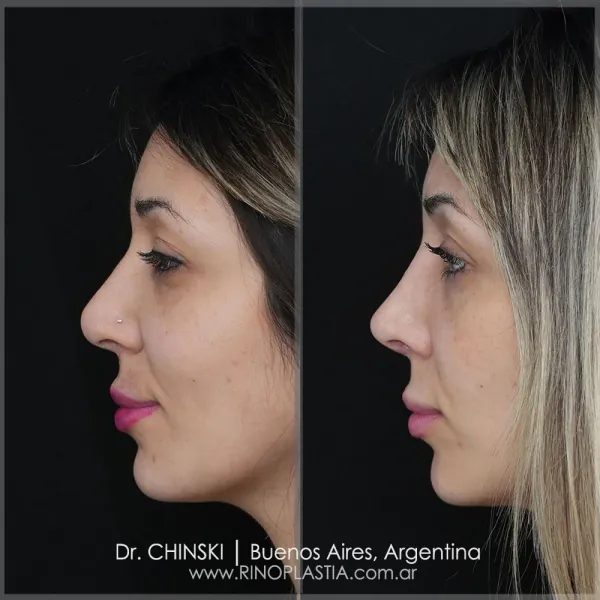
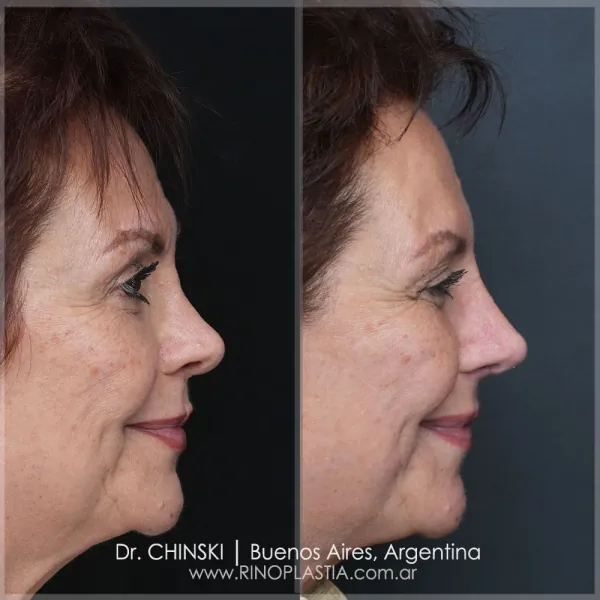
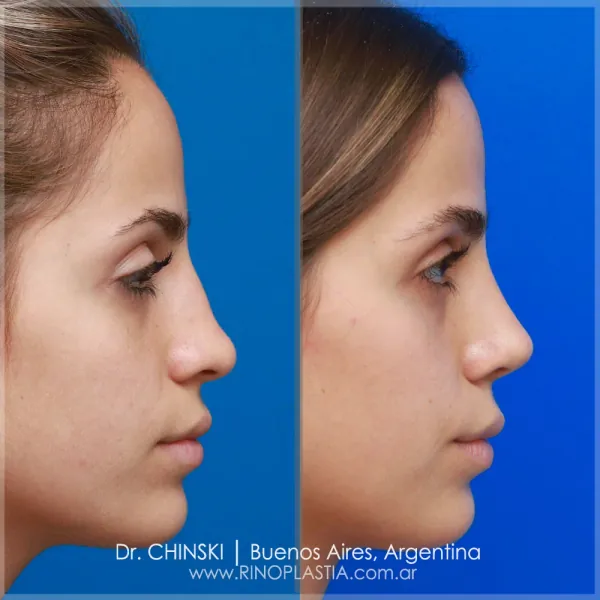
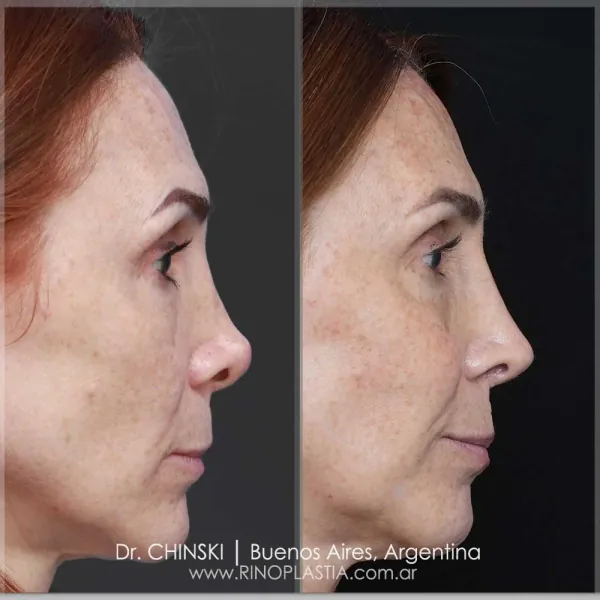
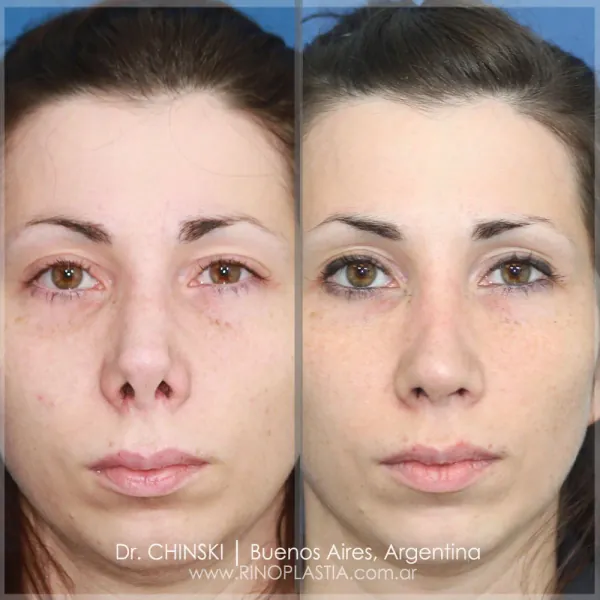
The problems resulting from a rhinoplasty are collectively known as a “secondary nose”, and the surgery that corrects them is called secondary or revision rhinoplasty.
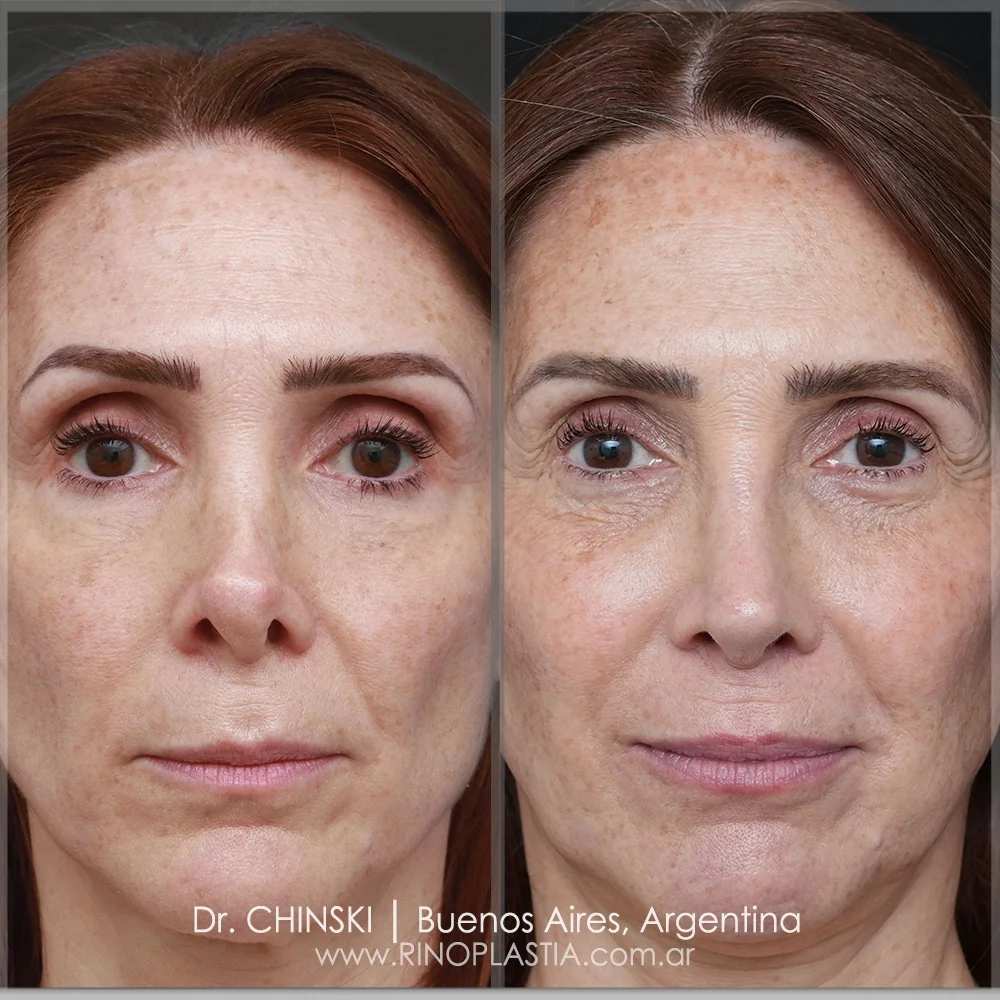
Secondary nose
There are two main problems that can occur after a primary rhinoplasty: functional problems, that is, impaired nasal breathing, and aesthetic problems.
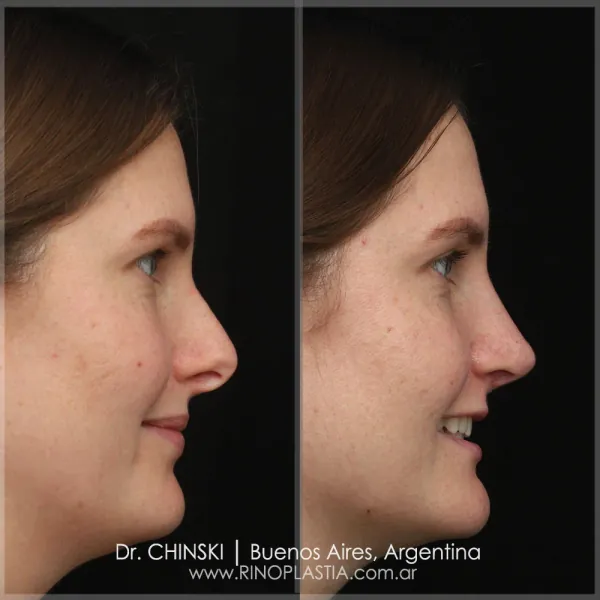
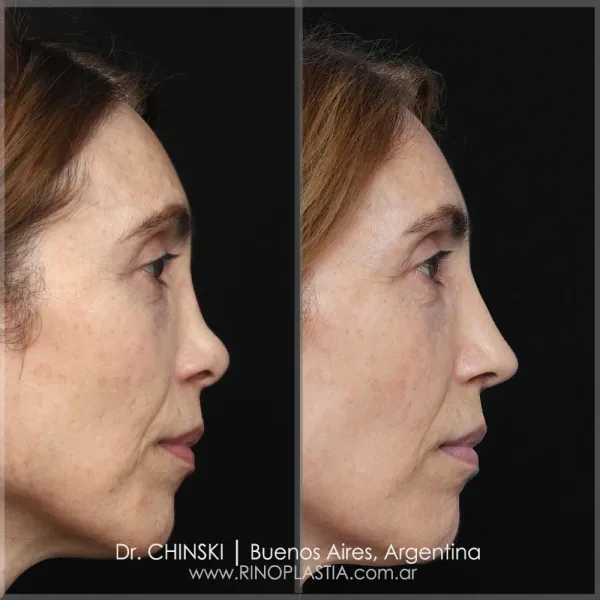
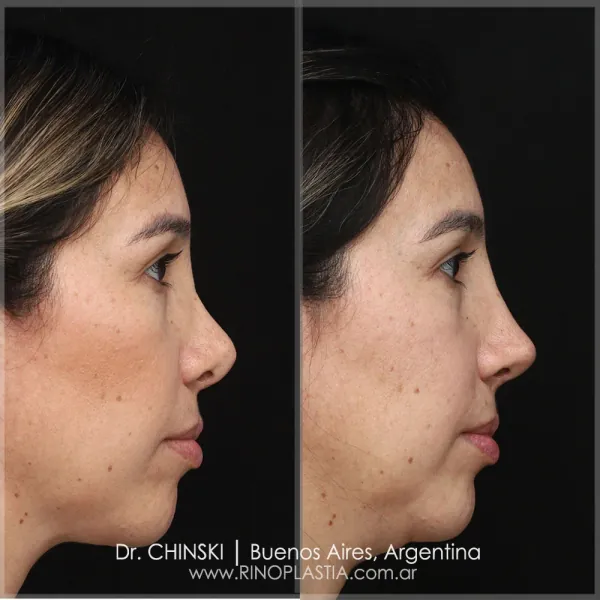
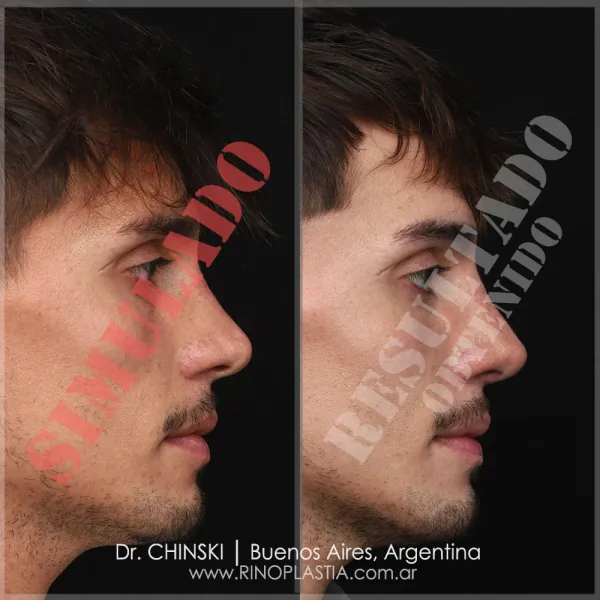
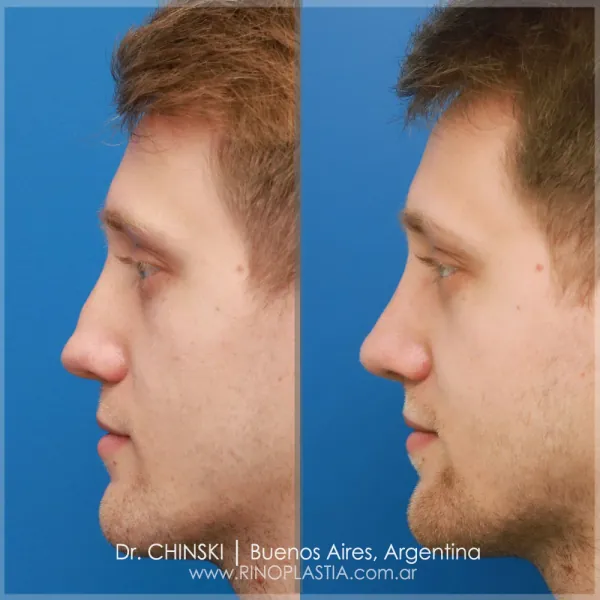
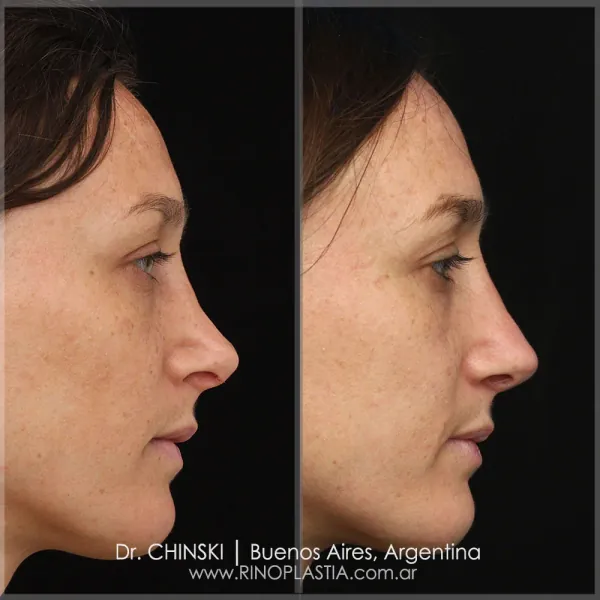
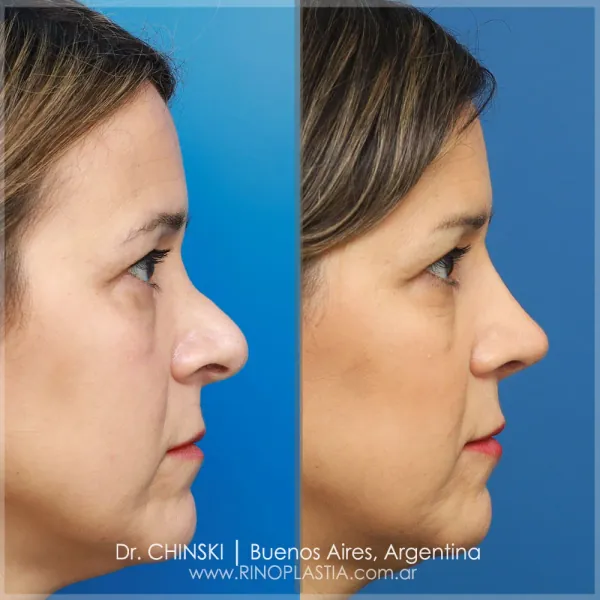
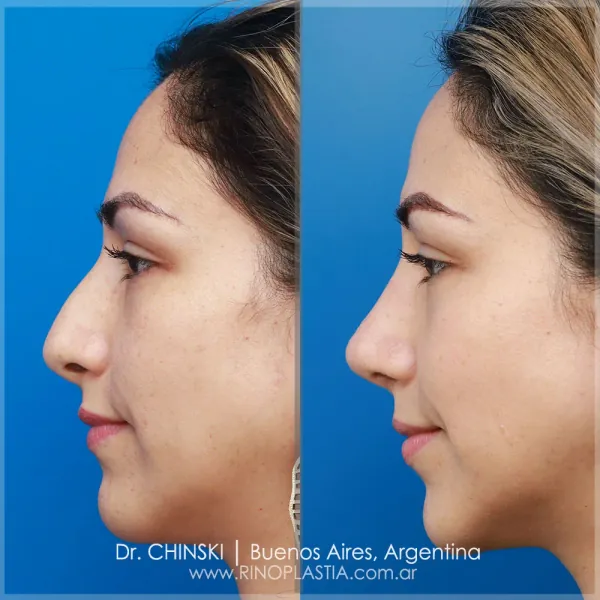
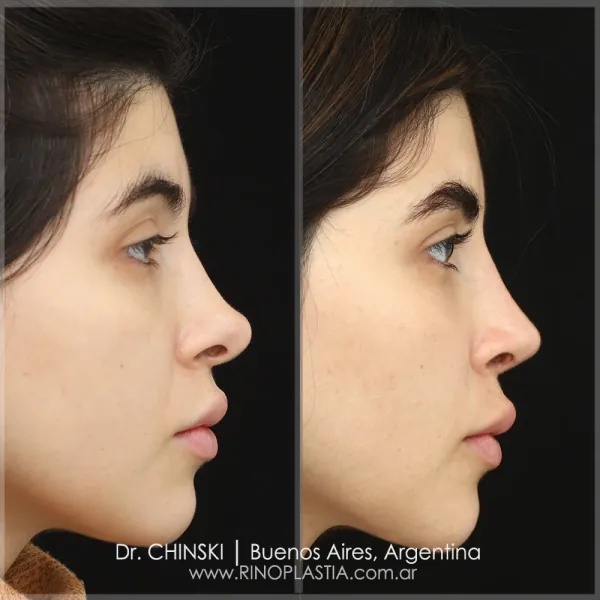
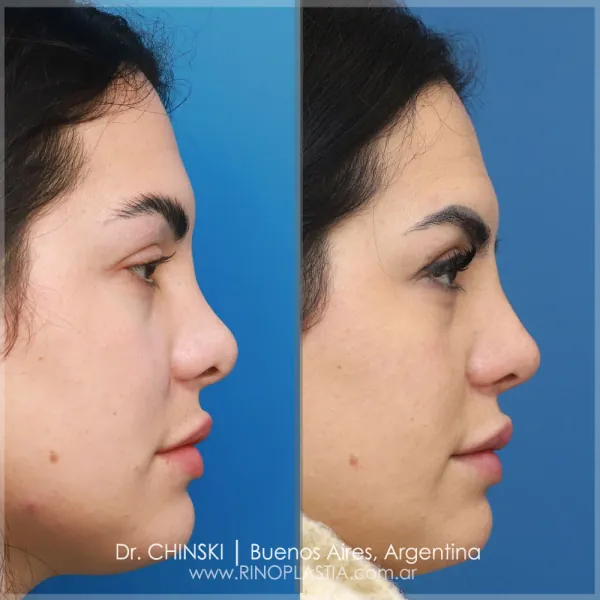
There are well-defined patterns of secondary rhinoplasty that are known and can be studied separately.
Closed resective rhinoplasty
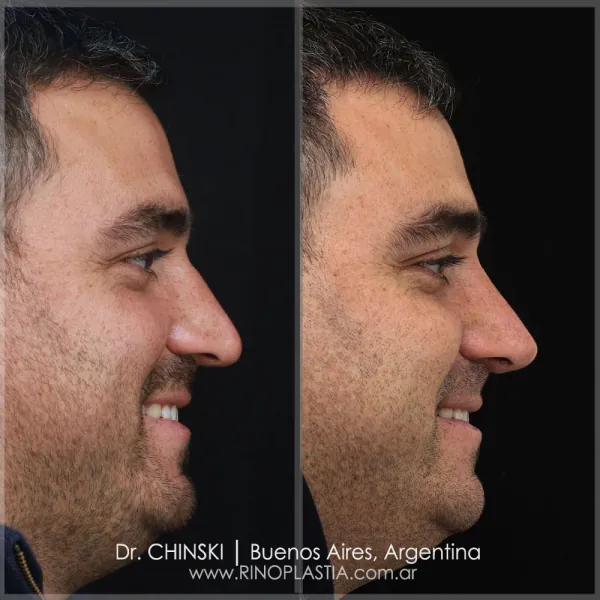
The largest group of cases is that of patients operated on with closed resective rhinoplasty. It consists of removing cartilage and nasal bone in order to shrink, narrow and reduce the overall size of the nose.
This type of surgery was very popular in the 1980s and 1990s in South America, especially in Argentina and Brazil. It never gained wide acceptance in Europe or the United States. Even today many doctors with extensive experience in these techniques, or their students, perform this type of surgery, so the age range for this kind of secondary rhinoplasty is very wide, covering patients between 18 and 55.
The most common defects
- Excessive resection of the bony dorsum.
- Feminisation of the nose in men.
- Open roof syndrome.
- Asymmetric osteotomies.
- Narrowing of the middle third of the nose.
- Irregular dorsum.
- Asymmetric tip.
- Nasal valve synechiae.
- Alar insufficiency and retraction.
- Hanging columella.
- Asymmetric domes.
- Over-rotation of the nasal tip.
Rhinomodelling: “non-surgical rhinoplasty”
The second most important group that often needs a secondary rhinoplasty is made up of patients who had rhinomodelling, also marketed as “non-surgical rhinoplasty”. It is based on placing non-absorbable substances in specific areas to give the appearance of a more rotated tip or to disguise a dorsal hump, by injecting substances above the nasal root.
This is the group that has grown the most in recent years.
Details on the nasal dorsum
The third group that often requires a secondary rhinoplasty is made up of patients with thin skin who have irregularities on the nasal dorsum and need treatments to even out or thicken the skin.
Complex rhinoplasties
The last group consists of patients who were candidates for a complex rhinoplasty, whose appearance improved greatly, but who after some time want to further improve the initial problems that could not be fully resolved.
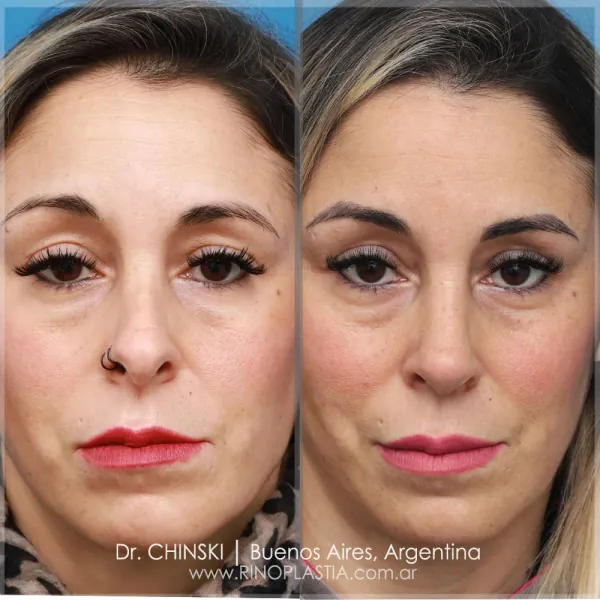
Clear examples are patients with a crooked nose, columellar deviations, asymmetry in the view of the alar base and facial asymmetries in general.
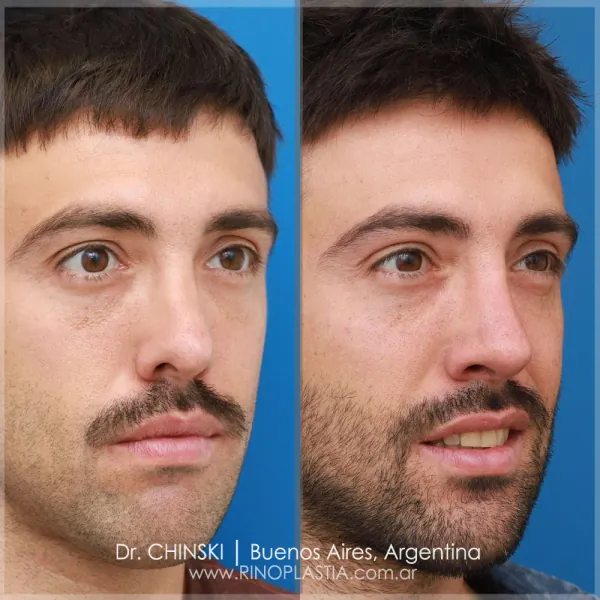
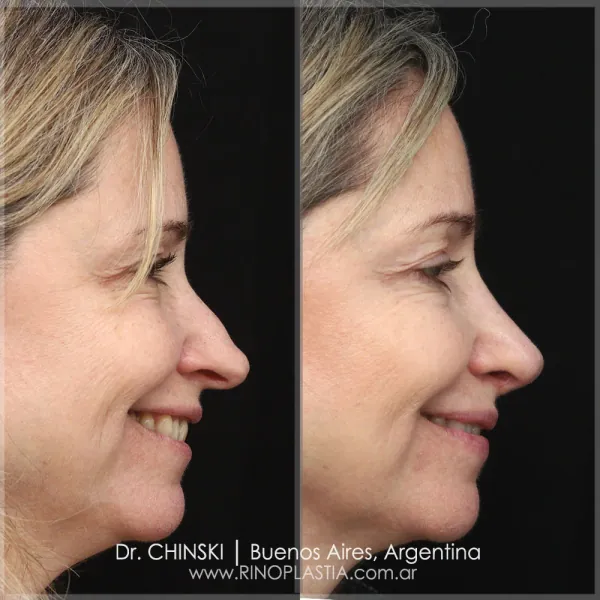
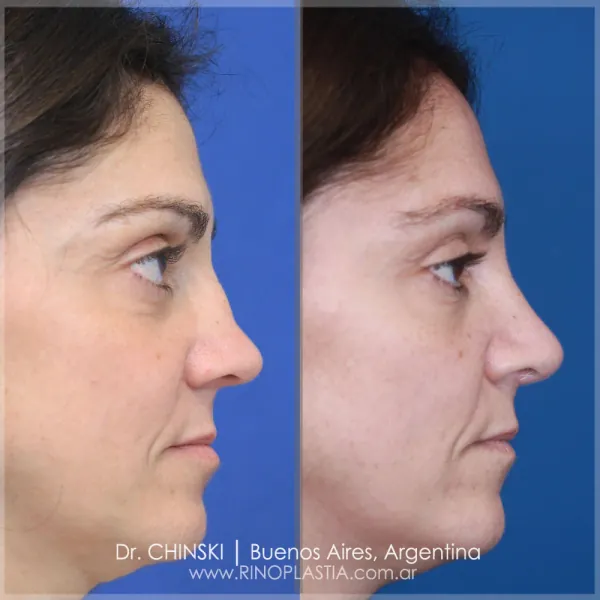
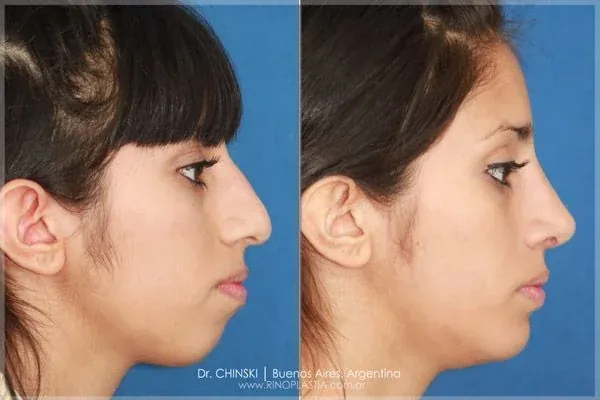
Before and after
Rhinoplasty: dorsal hump, thin skin and secondary rhinoplasty – Case 6
Secondary rhinoplasty · Dorsal hump · Thin skin
2 months after
Rhinoplasty: secondary rhinoplasty – Case 14
Secondary rhinoplasty
2 months after
Rhinoplasty: secondary rhinoplasty – Case 19
Secondary rhinoplasty
2 months after
Rhinoplasty: secondary rhinoplasty – Case 34
Secondary rhinoplasty
4 months after
Rhinoplasty: secondary rhinoplasty – Case 39
Secondary rhinoplasty
2 months after
Rhinoplasty: dorsal hump, saddle nose, thin skin and secondary rhinoplasty – Case 46
Secondary rhinoplasty · Dorsal hump · Saddle nose
4 months after
Rhinoplasty: secondary rhinoplasty – Case 52
Secondary rhinoplasty
Rhinoplasty: curved nose, hanging columella, thin skin and secondary rhinoplasty – Case 55
Secondary rhinoplasty · Curved nose · Hanging columella
2 months after
Rhinoplasty: thin skin and secondary rhinoplasty – Case 66
Secondary rhinoplasty · Thin skin
2 months after
Rhinoplasty: undefined tip, saddle nose, thin skin, secondary rhinoplasty and alar base surgery – Case 69
Secondary rhinoplasty · Alar base surgery · Undefined tip
2 months after
Rhinoplasty: undefined tip, wide or irregular dorsum and secondary rhinoplasty – Case 83
Secondary rhinoplasty · Undefined tip · Wide or irregular dorsum
4 months after
Rhinoplasty: saddle nose and secondary rhinoplasty – Case 87
Secondary rhinoplasty · Saddle nose
2 months after
Rhinoplasty: deviated nose and secondary rhinoplasty – Case 89
Secondary rhinoplasty · Deviated nose
4 months after
Rhinoplasty: secondary rhinoplasty – Case 106
Secondary rhinoplasty
6 months after
Rhinoplasty: dorsal hump, undefined tip, wide or irregular dorsum and secondary rhinoplasty – Case 110
Secondary rhinoplasty · Dorsal hump · Undefined tip
Rhinoplasty: droopy tip, deviated nose and secondary rhinoplasty – Case 114
Secondary rhinoplasty · Droopy tip · Deviated nose
4 months after
Rhinoplasty: saddle nose and secondary rhinoplasty – Case 116
Secondary rhinoplasty · Saddle nose
6 months after
Rhinoplasty: thick skin and secondary rhinoplasty – Case 130
Secondary rhinoplasty · Thick skin
6 months after
Rhinoplasty: droopy tip, hanging columella and secondary rhinoplasty – Case 131
Secondary rhinoplasty · Droopy tip · Hanging columella
2 months after
Rhinoplasty: undefined tip and secondary rhinoplasty – Case 140
Secondary rhinoplasty · Undefined tip
4 months after
Rhinoplasty: dorsal hump, droopy tip, wide or irregular dorsum, thin skin and secondary rhinoplasty – Case 146
Secondary rhinoplasty · Dorsal hump · Droopy tip
2 months after
Rhinoplasty: saddle nose and secondary rhinoplasty – Case 150
Secondary rhinoplasty · Saddle nose
Rhinoplasty: dorsal hump, over-projected nose, droopy tip, under-projected tip, undefined tip and secondary rhinoplasty – Case 171
Secondary rhinoplasty · Dorsal hump · Over-projected nose
Rhinoplasty: dorsal hump, saddle nose and secondary rhinoplasty – Case 173
Secondary rhinoplasty · Dorsal hump · Saddle nose
Ask about your case
Message us on WhatsApp or book an in-person or virtual appointment.